In our Transforming Waste and Recycling series, we look at the challenges, trends, and digital opportunities in this space in 2025. Here are the top trends shaping the industry—and how forward-thinking companies can capitalise on them.
1. The Rise of AI & smart waste management
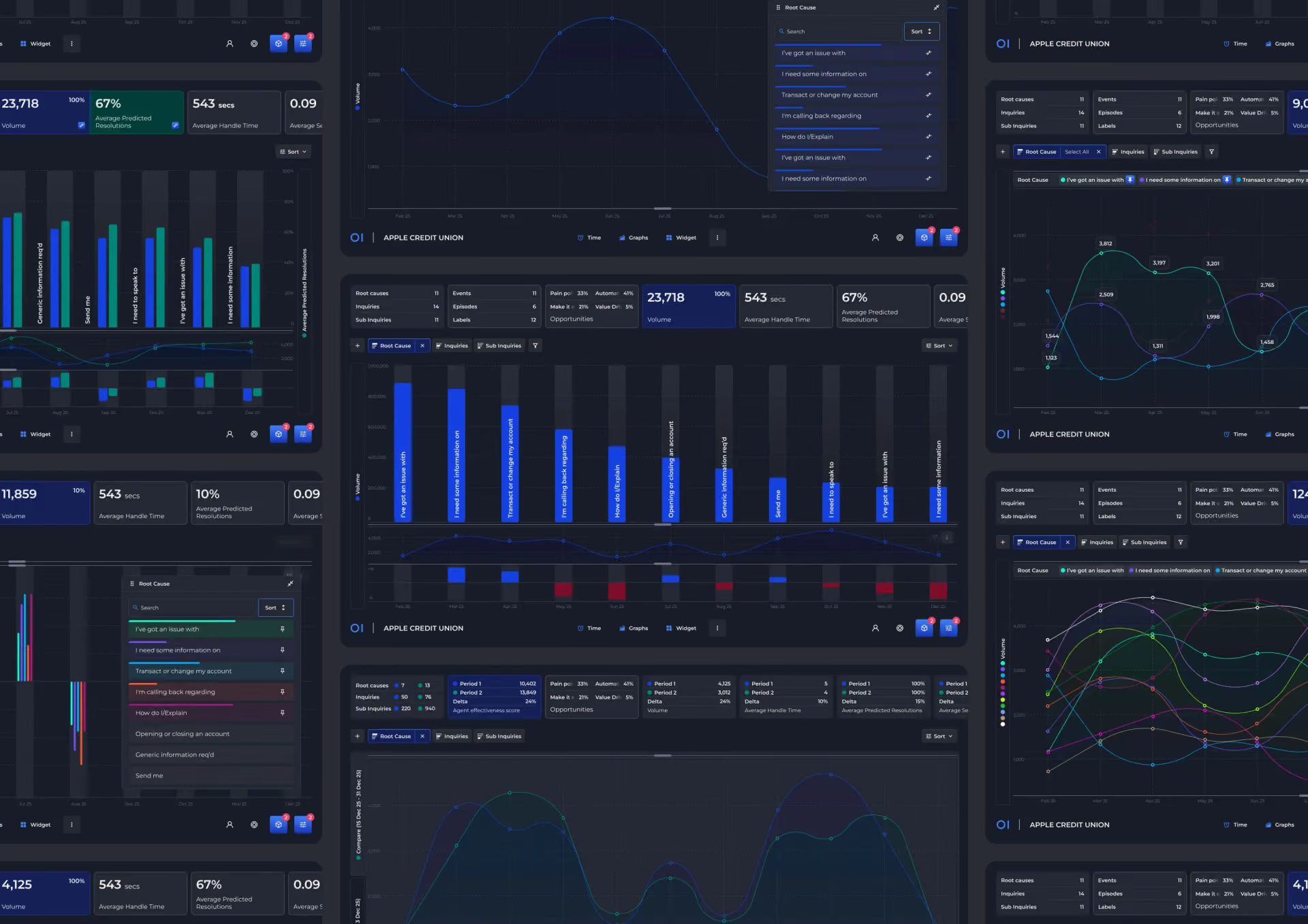
AI and automation are revolutionising waste management, making processes smarter, faster, and more sustainable. AI-powered waste sorting, predictive analytics, and IoT sensors are streamlining collection and recycling, reducing inefficiencies and costs.
- Companies investing in automation and machine learning will gain a competitive edge by improving waste diversion rates and minimising environmental impact.
- Smart bins, route optimisation, and AI-driven demand forecasting will redefine waste logistics in the coming years.
Mo Works Opportunity: Branding and UI/UX design for smart waste management apps, digital dashboards, and AI-powered customer portals that enhance efficiency and user experience.
2. Digital-first customer engagement & marketing
The modern customer expects seamless, instant, and digital interactions. Waste companies must rethink their approach to marketing and customer engagement.
- On-demand service quotes, automated waste tracking, and AI-powered chatbots are now standard expectations.
- Social media, influencer partnerships, and educational content marketing play a crucial role in shaping brand perception and driving customer loyalty.
- Companies that position themselves as sustainability advocates through digital storytelling will resonate with eco-conscious consumers and businesses.
Mo Works Opportunity: Digital marketing, SEO, content creation, and campaign strategies to help waste companies establish thought leadership and attract sustainability-focused clients.
3. Blockchain & transparent waste tracking
Transparency is no longer optional—businesses and consumers want proof of how waste is managed. Blockchain is emerging as a powerful tool for ensuring accountability.
- Blockchain-based tracking systems enhance traceability, ensuring waste is properly processed and disposed of.
- Regulatory compliance and anti-fraud measures are becoming key selling points for waste companies adopting this technology.
- Companies that embrace digital transparency will build trust and attract sustainability-driven partnerships.
Mo Works Opportunity: UI/UX design and branding for blockchain-based waste tracking platforms and sustainability reporting tools that provide verifiable proof of environmental impact.
4. Gamification & interactive sustainability campaigns
Gamification is transforming sustainability initiatives by making waste reduction and recycling engaging, interactive, and rewarding.
- Incentive-based recycling programmes encourage responsible waste disposal by offering rewards or discounts.
- Mobile apps and interactive campaigns are driving community participation and behavioural change.
- Companies that integrate fun, competitive, and educational elements into their sustainability strategies will boost public engagement.
Mo Works Opportunity: Creative campaign development, interactive apps, and UX solutions that make sustainability more accessible and enjoyable for users.
5. Video & Interactive Content for Customer Education
Short-form video and interactive content are becoming essential tools for customer education and brand storytelling.
- Explainer videos, animations, and interactive infographics simplify complex recycling processes and sustainability initiatives.
- TikTok, Instagram Reels, and YouTube Shorts offer huge opportunities for waste companies to connect with younger, eco-conscious audiences.
- Companies that use video storytelling and engaging content formats will educate and inspire action more effectively.
Mo Works Opportunity: Motion graphics, explainer videos, and social media campaigns that drive brand awareness and customer engagement through compelling storytelling.
Conclusion: A digital-first future for waste & recycling
The waste management industry is encountering major obstacles in its digital transformation, customer engagement, and operational efficiency. However, companies that proactively adopt innovative branding, marketing strategies, and smart technologies will shape the future of sustainable waste solutions.
By tapping into expertise in digital strategies, creative marketing, and technology-driven branding, waste and recycling businesses can strengthen their market presence, enhance customer interactions, and advance their long-term sustainability objectives.
The moment is now to move beyond traditional waste collection and evolve into a forward-thinking, customer-focused, and innovative provider of waste solutions.
About Mo Works
Mo Works is a full-service digital creative agency based in Melbourne which specialises in marketing, branding, and digital products. We deliver strategies for sustained growth with account-based marketing (ABM), SEO, ads, and social media. If you're looking for a Melbourne digital marketing agency for your B2B business, get in touch today.