In many B2B companies, growth can stall not because of a weak offering, but because marketing, sales, and product teams operate in silos. Each group has its own goals, language, and metrics. The result can be mixed messages to the market, inefficient handoffs, and missed revenue opportunities.
True alignment is about building a shared strategy, grounded in customer insight and supported by clear processes.
1. Start with a unified customer narrative
Complex solutions can overwhelm prospects if each team tells the story differently. Start by aligning on:
- Ideal customer profile (ICP)
- Core value proposition
- Key pain points and buying triggers
This gives every team a common lens for decision-making.
2. Co-create the go-to-market (GTM) plan
Marketing shouldn’t define messaging in isolation. Sales shouldn’t pitch without product input. Product shouldn’t build without market validation. Collaborative GTM planning ensures:
- Messaging matches real customer needs
- Sales plays align with product capabilities
- Roadmaps support revenue strategy
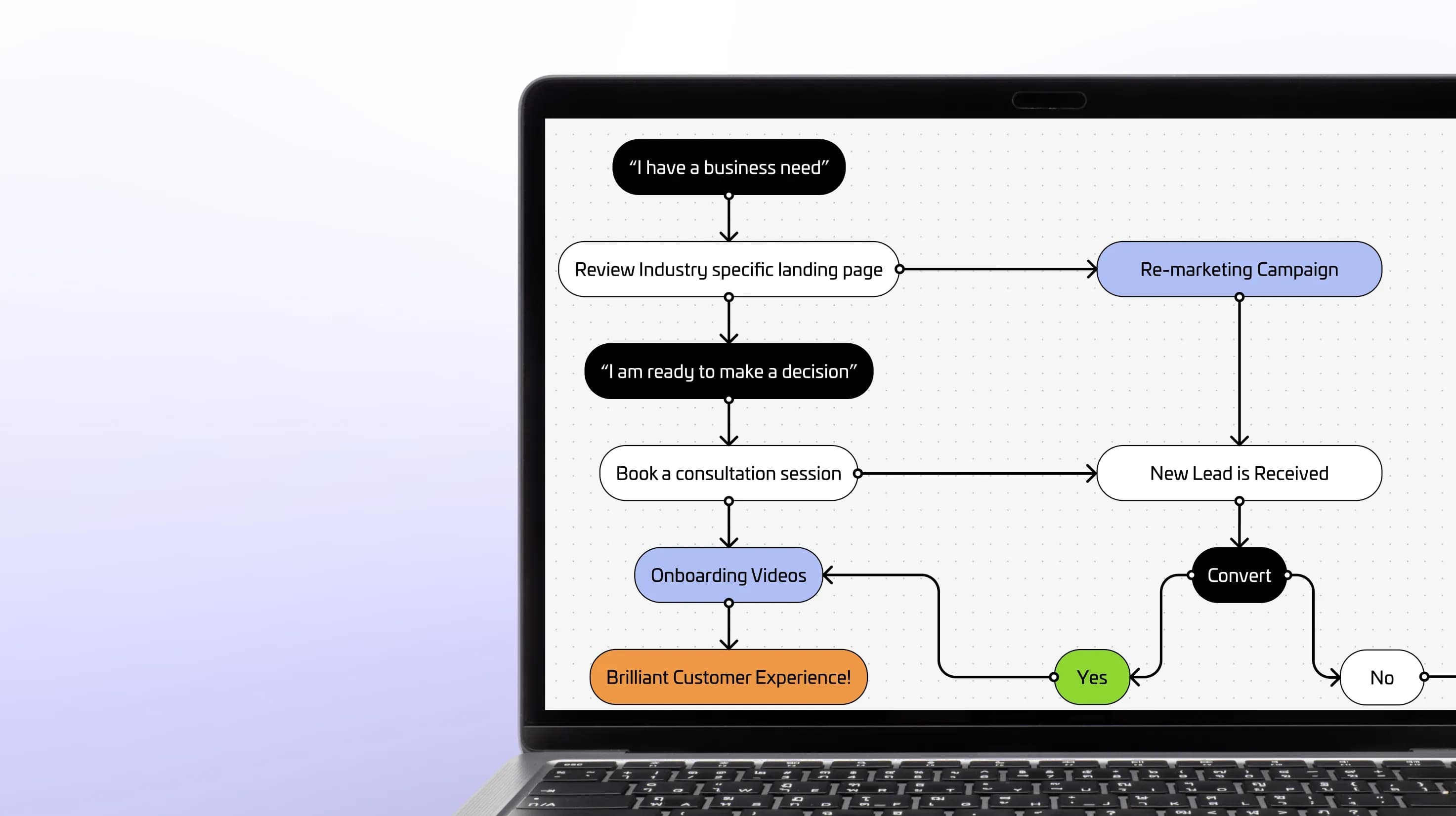
3. Define clear handoffs and shared metrics
Complex B2B deals involve long cycles and multiple stakeholders. To keep momentum:
- Document lead qualification criteria
- Establish shared KPIs (pipeline quality, win rate, expansion revenue)
- Review funnel performance together, not separately
4. Build feedback loops
Customer insights should flow both ways:
- Product gains real-world feedback from sales
- Marketing refines campaigns using product updates
- Sales gains better enablement through marketing
- Regular, structured feedback prevents surprises and accelerates improvements.
5. Empower cross-functional teams
Create working groups around segments, solutions, or strategic accounts, not departmental boundaries. When teams collaborate around customer outcomes, alignment becomes natural.
Conclusion
In complex B2B environments, alignment isn’t a “nice to have”—it’s a competitive advantage. When marketing, sales, and product operate from a shared strategy, companies move faster, communicate consistently, and win more high-value deals.