Whether your customers are browsing from an office desktop or checking specs on a mobile phone in the field, your website needs to perform consistently. That’s where responsive design comes in.
Key takeaways
- Responsive design helps reduce bounce rates and supports lead generation by improving accessibility across devices.
- A mobile-optimised B2B website is no longer optional, with most buyers starting their journey on smartphones or tablets.
- Successful B2B websites focus on speed, clarity, and consistency, supported by the right tools and development languages.
Why is responsive design so important for B2B e-commerce?
Unlike B2C sites, B2B websites often involve complex decision-making, longer sales cycles, and higher-value transactions. But that doesn’t mean your audience isn’t browsing on mobile. In fact, research shows that more than 70% of B2B searches begin on a mobile device. A responsive site ensures your content, navigation, and conversion paths are accessible regardless of screen size.
Responsive web design improves user experience, boosts SEO performance, and can positively influence buying decisions, especially when buyers are doing quick research during meetings or commuting.
What makes a great responsive B2B website?
There are a few essentials when it comes to creating a responsive design that works for B2B:
- Fast loading times: B2B buyers are time-poor. Make sure your site is lightweight and optimised for speed.
- Clear calls to action: Buttons should be easily clickable on all devices, and the user journey must be intuitive.
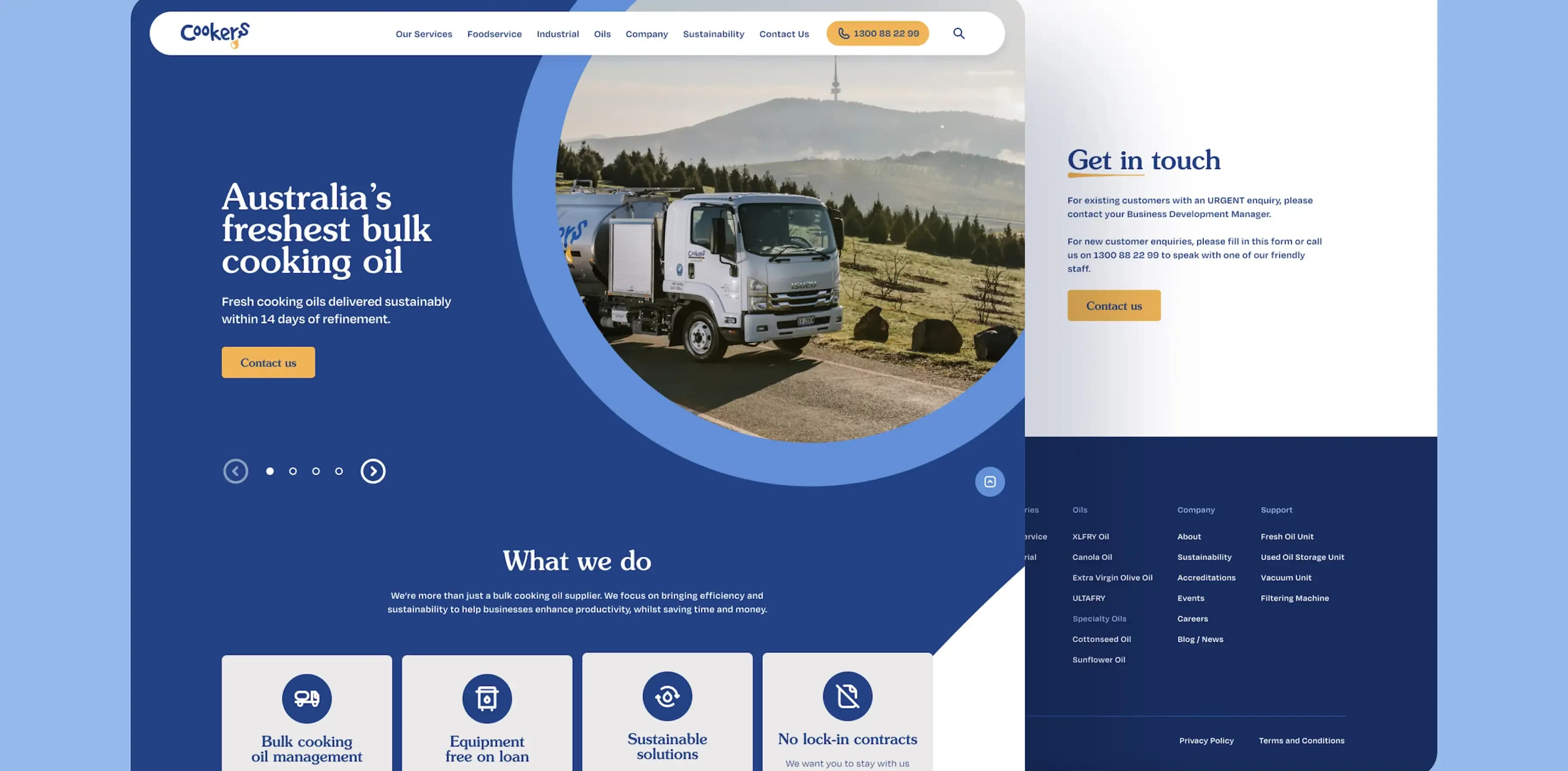
- Flexible content layouts: Use a grid system that adjusts smoothly between desktop, tablet and mobile without breaking.
- Consistent branding: Visual consistency helps build trust across devices, particularly in longer sales processes.
- Accessible navigation: Menus should collapse cleanly and remain user-friendly, especially on mobile.
Does responsive design actually convert better?
Yes. While design alone won't close deals, responsive design removes friction from the buying journey. Users are more likely to stay on your site, engage with your content, and complete enquiries when they can easily access what they need, regardless of their device.
A poorly optimised mobile experience can lead to high bounce rates and missed opportunities. Responsive design plays a subtle but significant role in building trust and professionalism, which are key in B2B relationships.
Is responsive design overrated?
Not at all. While the concept has been around for years, it's more relevant than ever. With increasing device variety and remote work trends, your site must be flexible and reliable. Responsive design isn’t just a nice-to-have; it’s a foundational requirement for any modern B2B digital experience.
Which languages and tools can you use for B2B website development?
B2B websites are often built using frameworks like HTML5, CSS3, JavaScript, and libraries like React or Vue.js. For backend systems, languages such as PHP, Python, or Java are commonly used. CMS platforms like WordPress, Drupal or enterprise-level systems like Sitecore or Kentico can also be adapted for responsive B2B websites.
The key is not the language itself, but how well your development approach supports scalable, mobile-friendly design.
Summary
Responsive design is essential for modern B2B websites. It improves usability, supports buyer journeys across devices, and builds trust with professional audiences. Whether you're redesigning or building from scratch, mobile responsiveness should be at the heart of your web strategy.
If you're looking to build or upgrade your B2B website with responsive design at its core, we are ready to support you. From planning and wireframing to launch and optimisation, we work with you every step of the way to ensure your site delivers value for your users and your business.
Let’s create a website that works just as hard as you do. Get in touch with us to start your responsive design journey.
Content Specialist · Lizzie Lavan is a Content Specialist and copywriter at Mo Works, specialising in crafting SEO and AIO-enhanced copy for websites, marketing campaigns, and digital channels. With over 10 years of experience working with brands across various industries in Australia and the UK, including tech, finance, energy, construction, travel, and e-commerce, Lizzie is passionate about creating content that is useful, thoughtful, and impactful, and excels at turning complex topics into clear, engaging stories.