We may need to rethink what we call the customer journey.
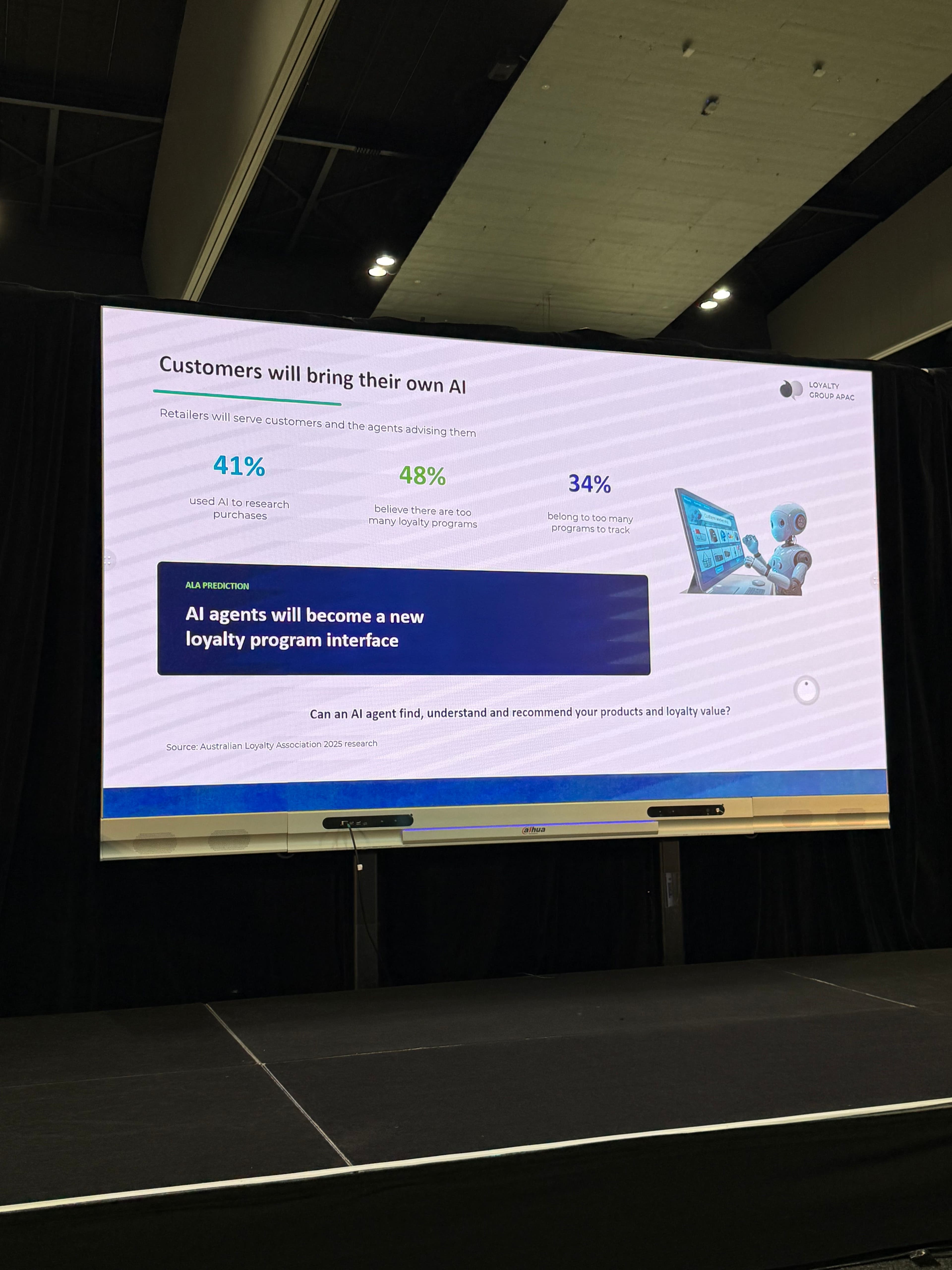
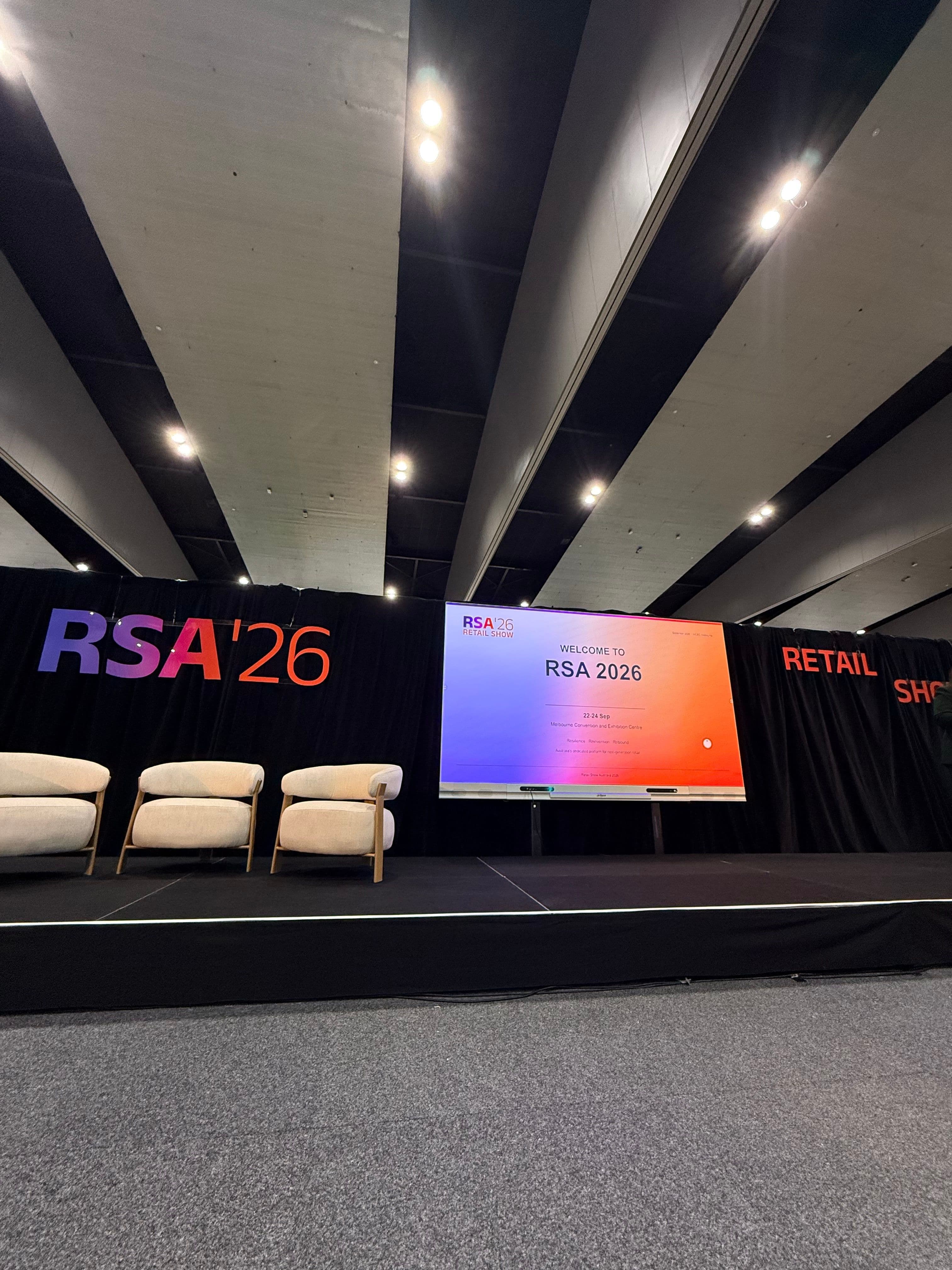
I was at Retail Show Australia recently, and one of the sessions that stuck with me was Adam Posner talking about loyalty, AI and how quickly the way people research and buy is changing. One stat stood out: 41% of Australians have already used AI to help research a purchase.
At the same time, Deloitte’s Retail Report 2026 says 77% of Australians are changing their shopping behaviour because of cost-of-living pressures. So we already know customers are shopping differently: they’re comparing more, thinking harder about value, and switching more easily. And increasingly, AI is helping them make those decisions. That creates a pretty big change to the customer journey.
The customer journey now has another layer
I’ve been talking about customer journey mapping for a while now. How someone discovers a brand, compares options, and what gives them enough confidence to choose. Plus, what happens when they buy, what happens afterwards, and (hopefully!) what makes them come back. Traditionally, we’ve designed all of that around the person.
But the way I see it, customer journey mapping now needs to consider two experiences: The experience for the person, and the experience for the AI agent or engine helping that person make a decision. And that second journey is becoming much more important and more technical!
Because your future customer may not start with Google, or browse five websites, and they may not even visit your website before deciding whether you’re worth considering. Instead, they might ask ChatGPT, Gemini, Claude or another AI agent: "Who are the best providers for this? Which one is right for me? What are the differences? Who has the best reviews? Which one offers better value?" And then AI does that first round of research for them.
So now we need to ask different questions
- Can AI understand what your business actually does?
- Can it understand how to categorise you?
- Can it find your products and services?
- Does it understand who they are for?
- Can it see how you are different?
- Can it find evidence that supports your claims?
- Can it understand your pricing, locations, availability or service areas?
- Can it confidently recommend you over someone else?
These are becoming customer experience questions too. Because if an AI engine can’t properly understand your business, you may never make it into the customer's shortlist in the first place. That’s why I think AI optimisation is bigger than another version of SEO. Whatever you call it: AI, AEO or GEO, it touches your website structure, your content, your brand positioning, your digital experience, and ultimately, your customer journey. We’ve written more about this at Mo Works in our article on AI optimisation for Australian businesses.
But this becomes even more interesting when you think about loyalty.
Adam’s session got me thinking about what happens to loyalty when AI becomes part of the buying process, becuase we’re used to thinking about loyalty in terms of points, rewards, offers and personalisation. But imagine an AI agent that can instantly compare your price, a competitor’s price, rewards, reviews, delivery time, alternatives. And eventually maybe even make the purchase or switch providers for you. That starts removing one thing a lot of businesses have relied on for years: friction.
Some customers are loyal because they love the brand. Some genuinely value the experience. But some are “loyal” because changing is annoying. Think about your electricity provider, your insurer or your internet provider. Do you stay because you genuinely love them? Or do you stay because finding another option, comparing it properly and moving everything over takes too much effort? AI could reduce that effort dramatically, and when switching becomes easier, real loyalty will matter a lot more.
A points program won’t save a bad experience
Customers already expect personalisation, but at the same time they care about privacy and how their data is being used. They want businesses to understand them (just not too much!) and now we’re adding AI agents into that relationship as well. So I think loyalty will increasingly come down to things that are harder to copy: Trust, usefulness, experience, relevance.
A points program or another 10% discount isn’t going to save an experience that is difficult, confusing or disappointing. And if AI makes it easier to find a better alternative, businesses will have even less room to get that wrong.
We’re not just designing for people anymore
And this is probably the biggest change for me. For years, we’ve designed websites, digital products, content and customer journeys mainly around what people need to see and do. That still matters a lot, but now there is another audience sitting between your business and the customer: the systems helping them research, compare, shortlist, and increasingly, decide.
So we need to build experiences that do both. People need to trust you, but machines need to understand you, and websites need to convert for you. And if AI is becoming part of how customers discover, compare and choose your business, then it probably needs to be on the customer journey map too.
Your next customer might still visit your website. But there’s a growing chance their AI will get there first. Are you ready?
About Mo Works
Mo Works is a full-service digital creative agency based in Melbourne, specialising in marketing, branding, and digital products. We deliver strategies for sustained growth with account-based marketing (ABM), AIO, SEO, ads, and social media. If you're looking for a Melbourne digital marketing agency to help your B2B business optimise for AI, get in touch today.
Founder & Managing Director · Mo Hamdouna is the founder and Managing Director of Mo Works, having established the B2B marketing agency in 2014. With a passion for innovation and sustainability, Mo shares insights on branding, digital trends, and how emerging industries can scale with impact. Mo is a co-founder of Hatch Quarter, Melbourne’s leading innovation hub supporting startups and entrepreneurs across Australia and MENA, and he was recognised as one of Australia’s Top 50 Small Business Leaders in 2020 and the Australian Small Business Champion Entrepreneur Award 2023. Mo’s vision is to empower those building a better future for all, helping businesses grow through strategy, design, and digital transformation.